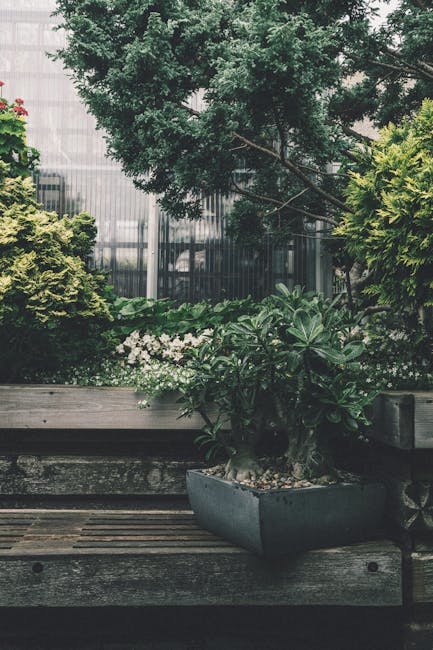
Best gardeners near Westfield Stratford Newham for small gardens
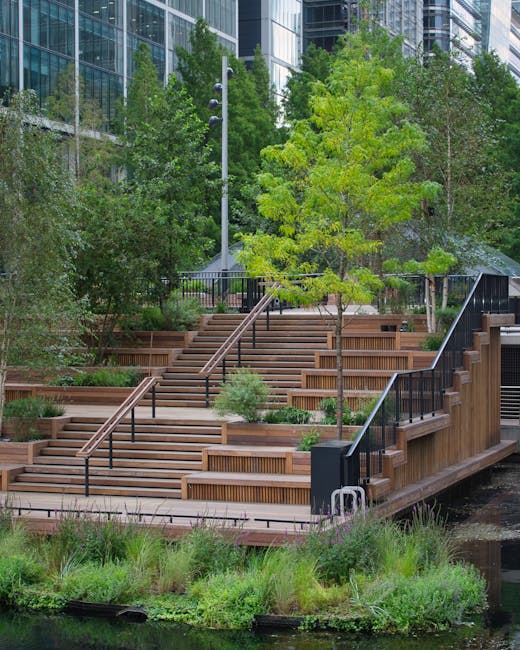
If you have a compact outdoor space near Westfield Stratford, you already know the truth: a small garden can be lovely, but it can also become cluttered very quickly. One week it looks tidy, the next it feels cramped, overgrown, and a bit neglected. Finding the Best gardeners near Westfield Stratford Newham for small gardens is not just about hiring someone to cut the grass. It is about choosing a gardener who understands proportions, light, planting density, maintenance rhythms, and how to make a modest space feel calmer, bigger, and easier to enjoy.
This guide walks through what good small-garden gardening really looks like, how to compare local services, what to ask before booking, and which practical details matter most in Newham. You will also see how to avoid the common mistakes that make small gardens feel even smaller. To be fair, a little expertise goes a long way here.
Why Best gardeners near Westfield Stratford Newham for small gardens Matters
Small gardens are often more demanding than larger ones. That surprises people. A large garden can hide a few rough edges. A compact courtyard, terrace, balcony-adjacent plot, or narrow rear garden near Stratford shows every detail. One untidy hedge, one patch of moss, one awkward shrub blocking the light, and suddenly the whole space feels off.
That is why the right gardener matters. For a small garden, a good local professional is not just maintaining plants. They are managing visual space. They know when to prune hard and when to leave things alone. They understand that a little height in the wrong place can block daylight, while the right structure can make the garden feel more open. That difference is huge in urban Newham settings, where privacy, light, and ease of access all compete for attention.
There is also a practical side. Small gardens usually need frequent but lighter-touch care, not heavy, disruptive work every few months. If a gardener turns up with a one-size-fits-all approach, you may end up with bare borders, overcut shrubs, or wasteful maintenance that does not suit the space. That is the sort of thing people notice only after the fact. Bit annoying, really.
For nearby homeowners, landlords, and busy tenants, local knowledge helps too. A gardener familiar with the area will better understand the pace of seasonal growth, the common issues in compact London gardens, and the sort of finish people tend to want: neat, breathable, and low-fuss rather than overdesigned.
Expert summary: In a small garden, the best gardener is the one who can simplify the space without stripping away its character. The goal is not to fill every corner. The goal is to make every corner earn its keep.
How Best gardeners near Westfield Stratford Newham for small gardens Works
At a practical level, hiring a gardener for a small garden usually starts with a quick assessment. They look at access, sunlight, drainage, plant health, lawn condition, hard landscaping, and how much ongoing upkeep the space will realistically need. That first impression matters because small gardens rarely need everything done at once; they need the right things done in the right order.
A sensible gardener will often split the work into three layers:
- Routine maintenance such as lawn mowing, edging, weeding, light pruning, and clearing debris.
- Shape and structure work such as hedge trimming, reshaping shrubs, and opening up sightlines.
- Improvement work such as planting refreshes, paving clean-up, fence-side tidying, or layout changes.
For many small gardens, the best results come from recurring maintenance rather than occasional big jobs. That might mean fortnightly or monthly visits during the growing season, then lighter visits later in the year. You do not always need a dramatic transformation. Sometimes you just need the place to stop fighting you.
If the garden has become heavily overgrown, a gardener may recommend a one-off reset first. In that case, garden clearance can be a practical starting point before maintenance begins. If the space is already reasonably managed, a regular garden maintenance plan is usually more efficient.
In more design-led spaces, small gardens can also benefit from thoughtful hard landscaping or compact features that do not swallow the area. Options such as low-profile paving, slim planting borders, and carefully planned surfaces can make movement easier and the space feel less busy. If that sounds like the direction you need, landscaping or landscape gardening may be part of the conversation, even for a modest plot.
Key Benefits and Practical Advantages
Hiring the right gardener for a compact plot gives you more than a tidy finish. The best people improve how the garden works day to day. That is where the real value sits.
- Better use of space: Good gardeners know how to open up paths, avoid overcrowding, and keep borders manageable.
- Improved light and air: In a small garden, even a light pruning can change how open and welcoming it feels.
- Lower maintenance over time: Regular care prevents little problems from turning into bigger, more expensive ones.
- Cleaner visual lines: Neat edges, balanced shrubs, and controlled growth make small spaces look more intentional.
- Safer access: Clear pathways and reduced clutter matter, especially where the garden is used by children, older residents, or pets.
- Better property presentation: For landlords or sellers, a tidy small garden can make the whole property feel better cared for.
There is a psychological benefit too, and people underestimate this. You step outside with a mug of tea on a grey morning, hear the usual London street noise, and still feel a little exhale because the space is calm. That matters. Small gardens should be a relief, not another task.
When a gardener is genuinely good at compact spaces, they also save you from bad choices. They will tell you when a plant is too large for the border, when a hedge needs restraint, or when a feature should be removed rather than repeatedly patched. That sort of judgement is worth paying for.
Who This Is For and When It Makes Sense
This kind of service is a strong fit for a few different people. If your garden is small and you want it to feel tidy without constant weekend work, it makes obvious sense. But the need often shows up in less obvious situations too.
- Busy homeowners who want a presentable outdoor space without spending every Saturday on it.
- Renters with permission to maintain the garden but not redesign it from scratch.
- Landlords and letting agents who need small gardens kept in acceptable condition between tenancies.
- Older residents who want to keep the space usable but need help with heavier tasks.
- New homeowners discovering that a tiny garden can be surprisingly needy once spring arrives.
- People preparing to sell and wanting the exterior to look calm, neat, and cared for.
It also makes sense when the garden has a very specific problem. Maybe the lawn is patchy. Maybe the hedge has crept out of control. Maybe the borders have become a jumble of plants that looked charming in April and a bit wild by August. You know the sort. The wrong gardener can tidy it once. The right one will help it stay manageable.
If your outdoor area includes a small deck or a tight paved section, you may also want to consider decking services as part of a broader small-space improvement plan. Even then, the key is restraint. Small gardens reward clarity more than ambition.
Step-by-Step Guidance
If you are trying to choose the best gardener near Westfield Stratford for a small garden, the process is easier when you break it down. Here is a simple way to approach it.
- Define the main problem. Is it routine upkeep, overgrowth, patchy turf, awkward layout, or general lack of structure?
- Measure the space mentally, not just physically. Think about how the garden feels. Crowded? Dim? Hard to move through? Those clues matter.
- Decide what you want to keep. In small gardens, not everything should be cut back. Some features add depth or privacy.
- Ask what maintenance schedule suits the garden. Weekly, fortnightly, monthly, seasonal. Different spaces need different rhythms.
- Check the service scope. Make sure the gardener handles the tasks you actually need, such as lawn mowing, hedge trimming, or more general tidying.
- Ask about waste removal. If clippings, branches, or old growth are removed, how is that managed?
- Request a clear quote. A good quote should explain what is included and what might cost extra.
- Agree on the finish. Do you want a crisp, minimal look or a greener, softer garden with more planting left in place?
That last step is often overlooked. It should not be. Small gardens can be overworked very easily. A quick conversation about the intended finish avoids that awkward moment when someone has technically done a good job, but not the job you meant. Happens more than people admit.
Expert Tips for Better Results
Small gardens benefit from a light hand and a clear plan. Here are a few practical tips that often make the biggest difference.
- Keep the tallest elements near the back or edges. This helps preserve sightlines and avoids a boxed-in feel.
- Use repeated shapes or plant types sparingly. Too many different textures can make a small space look busy.
- Prune for shape, not just size. A plant that is simply chopped smaller often looks worse than one carefully reshaped.
- Be realistic about lawn space. In very tight gardens, a tiny lawn can be high effort for limited benefit.
- Make access easy for the gardener. If tools, bins, or hose points are hard to reach, routine work becomes slower and more expensive.
- Think seasonally. In spring and early summer, growth can feel almost sudden. A tidy plan now saves hassle later.
In our experience, one of the simplest wins is edging. Clean edges make a garden feel instantly more deliberate. It is not glamorous, no. But it works every time.
Another good move is to ask for advice on what not to do. A thoughtful gardener will often save you money by steering you away from unnecessary changes. That is a nice sign, honestly. It shows they are thinking about the long game, not just the invoice.
Common Mistakes to Avoid
People tend to make the same mistakes with small gardens, especially when they are trying to improve them quickly. Avoiding these can save a lot of disappointment.
- Choosing a gardener who treats the space like a large garden. Small gardens need precision, not just volume work.
- Cutting everything back too hard. Bare spaces can look harsh and lose privacy.
- Ignoring access and waste removal. If cuttings are left behind, the garden can look messier than before.
- Overplanting. A few well-placed plants usually beat a crowded border.
- Skipping regular maintenance. Small spaces grow unevenly and can go from tidy to messy fast.
- Forgetting about drainage or shade. Wet, shaded corners need different treatment from sunny spots.
A common one is wanting instant transformation without a maintenance plan. That can work for a week or two. Then nature reasserts itself. Quietly, then all at once. If you want the garden to stay good, not just look good once, the maintenance rhythm matters.
Another mistake is chasing trends that do not suit the space. A tiny garden in Newham does not need every idea from a glossy magazine. It needs good structure, practical planting, and a finish you can actually keep on top of.
Tools, Resources and Recommendations
You do not need a shed full of equipment to manage a small garden well, but the right tools matter. For homeowners who want to do some upkeep between visits, a few basics go a long way.
- Secateurs: for light trimming and deadheading.
- Hand rake: useful for clearing leaves and debris from tighter spaces.
- Shears: helpful for shaping small hedges and soft growth.
- Lightweight mower: if your garden has a small lawn area.
- Weed tool: for patios, paths, and borders where weeds pop up in cracks.
- Gloves and debris bags: simple, but they make tidy-up work much easier.
If you prefer not to manage the details yourself, it helps to use a service with clear information about what they cover and how they handle jobs safely. Pages such as services overview and pricing and quotes can be useful starting points when you are comparing what is included and how estimates are structured.
It is also sensible to look for a provider that is transparent about practical matters such as insurance and safety, health and safety policy, and recycling and sustainability. Those pages do not make the garden prettier by themselves, obviously, but they do tell you a lot about how the business operates.
Law, Compliance, Standards, or Best Practice
For small garden work in the UK, the most relevant point is usually not a complicated legal issue. It is best practice, safety, and respect for property. A trustworthy gardener should take care with tools, work tidily, and avoid damage to fences, paving, or shared boundaries. If they bring equipment onto the property, they should also be able to explain how they manage risk and insurance in plain English.
If trees, large branches, or awkward overhanging growth are involved, the job may become more specialist. In those cases, a gardener may refer work towards tree lopping and removal or explain where more caution is needed. That matters because tree work can affect safety, neighbours, and sometimes permissions, depending on the situation. Better to slow down than guess.
For customers, the key questions are straightforward:
- Is the work being done safely and professionally?
- Is the gardener being careful with waste and site cleanup?
- Are they honest about what they can do well and what needs a different specialist?
- Are payment terms, scheduling, and scope clear before work starts?
Also, if you are a tenant or leaseholder, check any property-specific rules before altering planting, removing features, or changing hard landscaping. Nothing dramatic here, just sensible caution. A quick conversation can save a lot of hassle later.
Options, Methods, or Comparison Table
Different small gardens need different approaches. Here is a simple comparison that may help you decide what kind of help makes the most sense.
| Approach | Best for | Strengths | Possible drawback |
|---|---|---|---|
| Routine maintenance | Gardens that are already reasonably tidy | Keeps growth under control, usually cost-effective over time | Does not solve deeper layout or planting problems |
| One-off clearance | Heavily overgrown or neglected spaces | Fast reset, clears space quickly | Can feel temporary without follow-up visits |
| Maintenance plus light landscaping | Small gardens needing better structure | Improves usability and appearance together | May require more planning upfront |
| Design-led landscape gardening | Gardens needing a fuller rethink | Can transform awkward layouts and poor flow | Usually more involved and not always necessary |
For most people near Westfield Stratford, the best route is usually somewhere between routine maintenance and light improvement. Not every small garden needs a full redesign. In fact, many do better with restraint and consistency.
Case Study or Real-World Example
Picture a small rear garden in Newham with a narrow lawn, one overgrown hedge, and a couple of borders that have drifted into each other. At first glance, the owner thinks it needs a full makeover. But after a proper look, the real issues are simpler: the hedge is stealing light, the lawn is tired, and the edges are vague.
A skilled gardener would likely start by clearing the obvious clutter, reshaping the hedge, and defining the borders again. They might keep some healthy plants, remove the ones that crowd the space, and suggest a lighter planting plan for the next season. A little tidy-up around the paving and a proper mow later, and the garden suddenly feels twice as usable. No miracle. Just good decisions.
What tends to surprise people is how much bigger a garden feels when the lines are clean. You notice the path again. You notice the corner. You notice there is, in fact, room to sit down without moving a chair five times. That is the sort of win a good local gardener delivers.
Practical Checklist
Before you book, run through this checklist. It keeps the process simple and saves you from vague quotes or mismatched expectations.
- Is my main goal maintenance, clearance, improvement, or all three?
- Does the gardener understand small-garden work specifically?
- Have I explained what I want to keep?
- Have I asked what is included in the visit?
- Do I understand how waste and cuttings will be handled?
- Have I checked whether the gardener offers lawn mowing and hedge trimming if needed?
- Have I asked about safety, insurance, and any access issues?
- Do I want a one-off visit or a regular schedule?
- Has the quote been explained clearly?
- Do I know how to contact the team if I need to change the booking?
If you are still comparing providers, it may help to learn more about the team behind the service through the about us page, and to review practical business details in the contact us section when you are ready to make the next step. Small gardens reward clear communication more than almost anything else.
Conclusion
Finding the best gardeners near Westfield Stratford Newham for small gardens is really about fit. The right person understands scale, works neatly, and knows how to keep a compact space feeling open, calm, and easy to manage. They will not overcomplicate it. They will not treat it like a big countryside plot squeezed into a terrace-sized footprint. And thank goodness for that.
Whether your garden needs routine maintenance, a one-off reset, or a more thoughtful improvement plan, the best results usually come from clear communication and a practical eye. If you choose carefully, a small garden can become one of the nicest parts of the home. Quiet, personal, and genuinely usable. That is worth getting right.
Get a free quote today and see how much you can save.
And if you are still weighing it up, take your time. Good garden work should feel reassuring, not rushed.
Frequently Asked Questions
What should I look for in the best gardeners near Westfield Stratford Newham for small gardens?
Look for someone who understands compact spaces, gives clear quotes, handles routine maintenance well, and can explain how they will make the garden feel more open rather than just cutting everything back.
Is small-garden maintenance different from larger garden work?
Yes. Small gardens need more precision and better judgement. A few centimetres of overgrowth can make a huge difference, so careful trimming and spacing matter more than brute-force work.
How often should a small garden be maintained?
It depends on planting, season, and use. Many small gardens benefit from regular visits during the growing months, then lighter upkeep later. A good gardener will suggest a rhythm that suits the space.
Can a gardener help make a tiny garden look bigger?
Absolutely. Good pruning, tidy edges, smarter planting, and better use of sightlines can make a small garden feel more open without changing the footprint.
What if my small garden is badly overgrown?
That usually calls for a one-off clearance first, followed by maintenance. Starting with a reset often makes later visits easier and more affordable in the long run.
Do gardeners near Westfield Stratford handle lawn mowing and hedge trimming?
Many do, and those are two of the most useful services for small gardens. Always check the exact scope so you know what is included in the visit.
How do I know if I need landscaping rather than simple maintenance?
If the garden has poor flow, awkward levels, weak boundaries, or a layout that does not really work, simple maintenance may not be enough. In that case, landscaping or landscape gardening may be more appropriate.
What should I ask before getting a quote?
Ask what is included, how waste is removed, how often visits are recommended, and whether the quote covers the actual size and condition of your garden. Clear questions now avoid confusion later.
Are small gardens cheaper to maintain?
Usually, yes, but not always by as much as people expect. Tight access, heavy overgrowth, and fiddly planting can make small spaces more time-consuming than they look.
Do I need to worry about safety or insurance?
Yes, in a sensible way. A professional gardener should work safely, protect your property, and be able to discuss insurance and safety practices without making it a drama.
Can a gardener remove unwanted plants or shrubs?
Yes, often as part of maintenance or clearance. If larger branches or trees are involved, the job may need a more specialist approach, so it is worth asking before work begins.
What is the best first step if I am not sure what my small garden needs?
Start with an assessment and a clear conversation about goals. A good gardener can help you decide whether you need maintenance, clearance, or a more structural improvement plan.