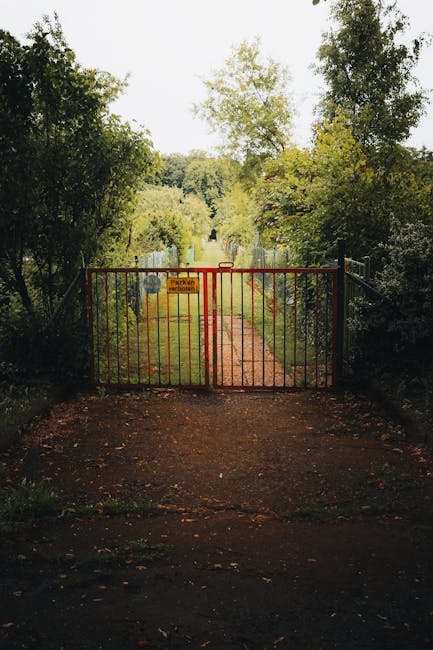
Common problems with access for Newham gardeners on estates
If you manage or live on an estate in Newham, you already know the garden can look simple on paper and then become awkward in real life. Shared gates, narrow paths, locked service areas, bin stores, parked cars, and neighbours who are in and out all day can make a routine visit feel like a small logistics puzzle. That is exactly why understanding the common problems with access for Newham gardeners on estates matters before any pruning, mowing, clearance, or landscaping work begins.
In practice, access issues are rarely dramatic. They are usually a collection of little obstacles that slow the job down, affect safety, or make it harder to deliver a tidy finish. The good news? Most of them can be managed with a bit of planning and clear communication. This guide walks through the real-world access problems gardeners face on estates, why they matter, how to handle them, and what best practice looks like when working on communal sites in Newham.
Table of Contents
- Why access problems matter on estates
- How estate access works in practice
- Key benefits of solving access issues early
- Who this is for and when it makes sense
- Step-by-step guidance for smoother access
- Expert tips for better results
- Common mistakes to avoid
- Tools, resources and recommendations
- Law, compliance, standards and best practice
- Options, methods and comparison table
- Case study or real-world example
- Practical checklist
- Conclusion
- Frequently asked questions
Why access problems matter on estates
Access might sound like a small operational detail. It isn't, not really. On estates, the ability to get people, tools, and waste in and out efficiently affects almost every part of the job. If a gardener spends fifteen minutes waiting for a gate code, weaving a mower around parked cars, or carrying hedge cuttings across a long shared walkway, that time adds up fast. And the workday starts bending around the site instead of the site serving the work.
There is also a safety angle. A gardener working with blades, ladders, fuel-powered kit, or bulky waste bags needs a clear route. If access is blocked or poorly understood, the risk of damage goes up. So does the chance of conflict with residents who are simply trying to get on with their day. It's one of those things people only notice once it has gone wrong. To be fair, that's most access issues.
For estate managers, landlords, leaseholders, and contractors, access problems can also affect the quality of the final result. Hedges get left uneven because the right side was impossible to reach. Lawn work gets rushed. Clearance jobs take longer than expected. A neat plan can turn into a patchy one if the route in and out is a mess.
If your estate needs recurring work, a broader garden maintenance plan is often easier to manage than one-off visits because access can be built into the routine rather than treated as an afterthought.
Expert summary: On estates, access is not just about opening a gate. It is about coordination, safe movement, resident awareness, and making sure the right equipment can reach the right place without causing friction.
How access works in practice
On a typical Newham estate, the gardener may need to deal with more than one access point. There may be a front entrance, a side gate, a coded service gate, a rear walkway, or shared garden routes between blocks. Sometimes the "garden" is not one continuous space at all. It might be split into courtyards, small communal strips, and tucked-away corners beside bin stores or drying areas.
The working process usually starts before arrival. A decent contractor will want to know:
- where the crew should enter
- which gates are locked and who holds the key or code
- where vehicles can stop safely
- whether there are parking restrictions or loading limits
- which parts of the estate are private, shared, or restricted
- how waste will be removed from site
Then comes the practical bit. Can a mower fit through the gate? Is there enough room to turn a wheelbarrow? Are there steps, slopes, or uneven paving? Can a hedge trimmer be used without leaning over a fence into someone's private space? These are the everyday questions that shape the job. Nothing glamorous, but absolutely central.
In our experience, the best estates are the ones where the access route is explained clearly in advance and then confirmed again on arrival. It saves a lot of awkward standing around, keys in hand, wondering where the skip bag is meant to go. A simple site walk-through can prevent a surprising amount of chaos.
Key benefits of solving access issues early
Sorting access before the first cut or clearance pass brings more than convenience. It improves the whole service experience. And yes, that includes the parts nobody sees.
- Less wasted time: crews can start work rather than spend the first part of the visit trying to get in.
- Safer operation: clear routes reduce trips, scrapes, and lifting hazards.
- Cleaner results: the right equipment reaches the right area, so finishing is more consistent.
- Better resident relations: fewer complaints about blocked paths, noise at the wrong time, or accidental disturbance.
- More accurate pricing: contractors can quote more honestly when they know the access conditions.
- Fewer delays to waste removal: garden waste can be taken out efficiently, which matters on larger estate jobs.
For larger upgrades, such as reworking a neglected communal area or adding hard landscaping features, access planning becomes even more important. Services like landscape gardening or landscaping usually involve materials, tools, and repeated site visits, so the route in and out should be agreed from the start.
Who this is for and when it makes sense
This topic matters to a few different people, and each group sees it from a slightly different angle.
Estate managers need access that protects residents, keeps communal areas tidy, and avoids complaints. They are often balancing convenience, budgets, and tenant expectations at the same time. That's not easy, let's face it.
Residents or leaseholders may just want a clean garden without disruption. If you have ever seen a mower squeezed past a stroller, a bike rack, and three bins, you'll understand why planning matters.
Gardeners and contractors need a clear working route, a realistic schedule, and enough room to do the job properly. They also need to know where they can safely store tools during the visit, if at all.
Managing agents and landlords usually need evidence that the site can be accessed safely and consistently. That matters for recurring work, seasonal tidy-ups, or when a neglected area suddenly needs a bigger intervention such as garden clearance.
It makes sense to focus on access planning when the site has any of the following:
- locked communal entrances
- narrow or shared walkways
- parking restrictions near the entrance
- frequent resident traffic
- broken gates, poor lighting, or trip hazards
- waste that must be removed through common areas
Step-by-step guidance for smoother access
If you are trying to reduce delays and avoid friction, a step-by-step approach works best. Nothing fancy. Just a steady process that covers the basics properly.
- Map the access points. Note every gate, entry door, key code, and route the team may use.
- Check widths and obstacles. Measure narrow points if larger equipment is needed. A mower may fit, but a wheelbarrow with cuttings might not.
- Confirm parking and unloading. Decide where a vehicle can stop without blocking access or creating risk.
- Set the working window. Agree a time when residents are least likely to be in the way, especially for noisier work like hedge cutting or strimming.
- Brief the residents or site contact. A short notice message or noticeboard update can prevent a lot of confusion.
- Prepare the waste route. Make sure bags, branches, and clippings can be carried out safely and legally.
- Walk the site on arrival. Conditions change. A gate may be wedged open, a car may be parked badly, or a path may be wet and slippery.
- Review after the visit. If access was awkward, fix it before the next booking. Do not just hope it will sort itself out. It rarely does.
For routine visits, a recurring service such as lawn mowing or hedge trimming benefits from the same access plan each time, with small updates for seasonality or estate changes.
Expert tips for better results
Some access problems sound minor until you are standing there with a hedge trimmer, a full waste sack, and nowhere sensible to place it. These are the small things that make the work smoother.
- Use one main contact. Too many people giving different instructions causes confusion very quickly.
- Photograph awkward entry points. Not as a gimmick, just as a memory aid. It helps when the site is busy and the layout is a bit odd.
- Keep a weather eye on surfaces. Wet paving, moss, and loose gravel become access problems too, especially in autumn and winter.
- Agree where waste will sit temporarily. A bag placed badly can block the entire route.
- Plan for resident movement. School runs, deliveries, dog walkers, and evening return times all affect the best working window.
- Build in a little slack. Ten minutes of buffer time can save the whole morning if a gate code fails or a vehicle is in the way.
And here is a small truth from site work: if the access feels confusing to explain in one sentence, it will probably be confusing on the day too. That's usually the sign to simplify the process before anyone arrives.
Common mistakes to avoid
Most estate access problems are predictable. The trouble is, people often repeat the same mistakes because the site "usually works fine". Usually. Until the day it doesn't.
1. Assuming the gate will be open
Relying on an open gate without a backup plan is asking for delays. Keys, codes, and named contacts should be checked in advance.
2. Ignoring loading and parking pressure
If the van cannot stop safely, everything becomes slower. Even a short walk matters when you are carrying heavy bags or equipment.
3. Forgetting about residents
Quiet access routes can suddenly be busy. Shared estates are living places, not empty yards. Work around that reality.
4. Bringing the wrong equipment
A compact mower may be ideal where larger machines cannot get through. Likewise, some clearance jobs are easier with lighter tools and more hand loading.
5. Failing to plan the waste exit
You can get a team in, do the job, and then get stuck moving waste out across the wrong route. That is a classic one.
6. Not clarifying responsibility for access
Is the key held by the estate office, caretaker, managing agent, or resident? If nobody is clear, the morning starts with a delay and a slightly strained smile.
Tools, resources and recommendations
You do not need a huge toolkit to solve access issues, but a few practical resources make a real difference.
- Site access notes: a simple written summary of gate codes, entrances, and contacts.
- Estate map or marked plan: useful for larger developments or split communal areas.
- Resident notice template: helps advise people when mowing, trimming, or clearance is scheduled.
- Compact, adaptable equipment: especially helpful where entrances are tight or shared.
- Waste bags, tarps, and hand tools: often more effective than trying to force large kit through a cramped route.
For more involved outdoor improvements, it may help to look at service pages like decking services if the site includes timber structures or surfaced garden areas, since those can affect access and movement during maintenance. If you are dealing with very overgrown or cluttered space, garden clearance is often the more practical starting point before ongoing care begins.
It can also be worth reviewing business trust and operating details on pages such as About Us, Insurance and Safety, and Health and Safety Policy if you are choosing a contractor for a communal estate. Not glamorous, sure, but very useful.
Law, compliance, standards and best practice
Access on estates is not only a convenience issue. It also intersects with safety, liability, privacy, and general duty of care. The exact obligations depend on the site, the work being done, and who controls the property, so it is wise to be careful rather than assume.
In the UK, good practice usually means ensuring workers can move safely, that residents are not put at avoidable risk, and that any shared space is left usable after the visit. Where vehicles are involved, parking and loading should respect local restrictions and estate rules. Where the route includes steps, slopes, or uneven ground, the risk needs to be assessed before the job starts.
Noise, timing, and respectful site behaviour matter too. That is especially true on estates where people live close together and complaints can spread quickly. A contractor who understands the site culture will usually do better work, even if the actual garden task is quite straightforward.
If your estate has a formal complaints route or accessibility needs, those should be taken seriously. Useful reference points on the website include the Accessibility Statement and Complaints Procedure. They help set expectations around fairness, communication, and response handling.
Best practice also includes being clear about waste handling, especially where green waste must be moved through communal parts of the estate. If materials are reused or disposed of responsibly, that reduces mess and helps the site stay orderly. The Recycling and Sustainability page is relevant here, particularly for larger clearance or seasonal cutback work.
Options, methods and comparison table
Different access problems call for different methods. Sometimes a lighter approach is the right one. Sometimes a full site coordination plan is needed. The point is to match the method to the reality on the ground.
| Method | Best for | Strengths | Limitations |
|---|---|---|---|
| Simple verbal access briefing | Small, familiar estates | Quick and easy | Can fail if staff change or instructions are forgotten |
| Written site access notes | Repeat visits and multi-block estates | Clear, consistent, easy to update | Still needs someone to keep it current |
| Resident notice and timing plan | Busy communal areas | Reduces conflict and interruption | Needs advance preparation |
| Compact equipment and manual handling | Narrow routes and tight courtyards | More flexible, less likely to get blocked | Can take longer on large sites |
| Full site walk-through before work | Complex estates or first-time jobs | Best for spotting hidden issues | Takes extra time before the task starts |
For many Newham estates, the best answer is a combination: written access notes, a quick pre-start check, and equipment that is suited to the site. Simple, but effective. Fancy systems are not always better if nobody uses them properly.
Case study or real-world example
Consider a typical estate with a central communal lawn, a narrow side path, and a locked rear gate for service access. The first visit looked easy enough from the outside. But once on site, the gardener found one route blocked by resident parking, the side path too narrow for the larger mower, and a waste route that crossed directly past a children's play area.
Nothing was broken. No one had done anything wrong. It was just one of those layouts that seems perfectly reasonable until a real working day begins.
The fix was straightforward, but only after the issue was recognised:
- the estate manager confirmed a gate code and a named contact
- the work was rescheduled to a quieter mid-morning window
- a smaller mower was used for the narrow route
- waste was bagged in smaller loads and removed in stages
- residents received a short notice in advance
The result was not just a tidier site. It was a calmer one. People could see what was happening, the gardener could work without constant interruptions, and the finish was better because the route had been thought through. Very ordinary, really. Which is exactly why it worked.
Practical checklist
Use this checklist before any estate gardening visit where access might be awkward.
- Do we know the correct entrance and who is opening it?
- Are gate codes, keys, or fobs confirmed and working?
- Can the vehicle stop legally and safely?
- Will the equipment fit through the route?
- Are there steps, slopes, or slippery surfaces to factor in?
- Has the estate been told about the visit if needed?
- Is there a clear waste removal route?
- Do we know who to contact if the site changes on the day?
- Have residents been given enough warning for noise or movement?
- Is the job still safe if one access point is blocked?
If several boxes are unticked, pause and re-plan. It is much easier than solving a blocked route halfway through the job.
Conclusion
The common problems with access for Newham gardeners on estates are usually practical, not mysterious: locked entrances, narrow walkways, parked cars, shared paths, unclear contacts, and awkward waste routes. None of these is impossible, but each one can slow a visit or make a simple job more stressful than it should be.
The best estates treat access as part of the service plan, not a side note. That means checking the route, confirming responsibilities, giving residents sensible notice, and choosing methods that suit the site. When that happens, the work feels smoother, safer, and more professional. And truth be told, everyone notices the difference, even if nobody says it out loud.
If you are planning garden work on an estate and want fewer delays, clearer communication, and a better finish, start with the access conversation. It is a small step that often prevents the biggest headaches.
Get a free quote today and see how much you can save.
Frequently Asked Questions
What are the most common access problems for gardeners on estates in Newham?
The most common issues are locked gates, missing keys or codes, narrow entrances, parked cars, shared walkways, and unclear waste removal routes. These can all slow the job down if they are not planned for in advance.
Why does access matter so much for estate garden maintenance?
Because access affects safety, timing, equipment choice, resident disruption, and the final quality of the work. If the route is awkward, the gardener may have to work in a less efficient way, and that usually shows in the result.
How can estate managers make access easier for gardeners?
They can provide one clear contact, confirm gate codes or keys, share a simple site plan, and give residents notice before work starts. A short written access note helps more than people expect.
Do gardeners need special equipment for estate work?
Sometimes, yes. Smaller mowers, hand tools, lightweight waste bags, and compact clearance equipment can be more practical where entrances are tight or routes are shared with residents.
What should happen if a gate is locked on the day of the visit?
The contractor should contact the nominated person straight away and follow the agreed backup plan. If there is no backup plan, the visit may need to be rescheduled rather than forced through.
Can access issues affect pricing?
Yes, they can. Difficult access often increases labour time and may change what equipment is needed. Honest quoting depends on knowing the site conditions in advance, which is why good site information matters.
How do gardeners handle waste removal on estates?
Usually by bagging or collecting waste in manageable loads and moving it through the agreed route. The path out matters just as much as the path in, especially on communal sites.
Are access problems worse for one-off jobs or regular maintenance?
They can be worse for one-off jobs because the contractor may not know the site well. Regular maintenance is usually easier once the access plan has been tested and refined.
What is the safest way to manage narrow communal paths?
Use suitable equipment, keep tools under control, avoid blocking the route, and schedule work at quieter times where possible. If the path is very tight, manual methods may be safer than forcing larger machines through.
Should residents be told before gardening work starts?
On many estates, yes, especially if the work will create noise, temporary obstruction, or extra foot traffic. A short notice can prevent complaints and confusion later on.
What if the estate layout changes often because of parking or deliveries?
Then the access plan should stay flexible. It helps to do a quick arrival check every time and keep a named contact available in case the route is blocked.
Where can I find more information about working standards and policies?
Useful starting points on this website include the Services Overview, Health and Safety Policy, and Insurance and Safety pages, which help explain how work is approached responsibly.
Sometimes the difference between a frustrating visit and a smooth one is just ten minutes of planning. Not exciting, perhaps, but very effective. And on a busy estate, that counts for a lot.