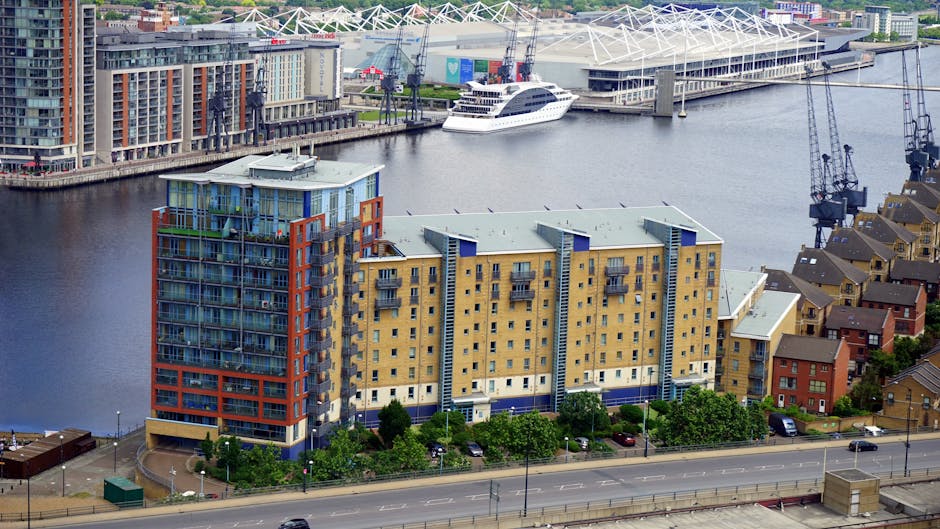
Reliable gardeners for Royal Docks apartments in Newham

If you live in a Royal Docks apartment, you already know the green spaces around a building can go from neat to messy rather quickly. Wind blows leaves into corners, communal planters get tired, hedges creep, and a small patch of lawn can look neglected after just a few missed visits. That is where reliable gardeners for Royal Docks apartments in Newham make a real difference. Not just someone who turns up once in a while, but a service that understands blocks, shared access, resident expectations, and the need to keep everything tidy without causing disruption.
This guide explains what reliable apartment garden care actually involves, how it works in practice, what to ask before you book, and how to avoid the usual headaches. If you manage a block, look after a leasehold property, or simply want the outdoor areas to feel well kept, you will find practical, local advice here. And yes, we will keep it plain-English. No fluff.
Why Reliable gardeners for Royal Docks apartments in Newham Matters
Apartment gardens in Royal Docks are a bit different from a typical house garden. Space is often shared, access can be tighter, and the planting may be designed to look good all year without demanding constant attention. That sounds easy on paper. In practice, it can be surprisingly fiddly.
A reliable gardener is valuable because small problems become visible fast in communal settings. One overgrown hedge can block sightlines. One missed litter sweep can make a whole courtyard look tired. One delayed lawn visit can make the grounds feel unloved, even if everything else is fine. Residents notice. Guests notice. Managing agents definitely notice.
There is also a social side to it. In apartment living, people want the outside space to feel calm and orderly. You might hear bikes rolling past in the morning, see delivery drivers stepping through the entrance, and hear the usual chatter from the car park. A well-kept garden softens all of that. It makes the building feel looked after, not just occupied.
And reliability is the key word here. Anyone can promise a good cut or a tidy border. The real test is whether they arrive when they say they will, work cleanly, communicate clearly, and leave the area better than they found it. Sounds basic. Yet that is exactly where many services fall short.
Expert summary: For apartment buildings, the best gardening service is not the flashiest one. It is the one that is consistent, safe around residents, respectful of shared spaces, and able to keep a predictable standard across the seasons.
How Reliable gardeners for Royal Docks apartments in Newham Works
Good apartment garden maintenance usually starts with a walkaround and a simple conversation. What areas are included? Is there communal lawn space, planting beds, planters, decking, hedges, or trees? Is access through a side gate, underground car park, or shared entrance? Are there any time restrictions because residents work shifts or the building has a quiet-hours policy? These details matter more than people expect.
A dependable service will normally build a schedule around the site rather than forcing the site into a fixed generic routine. For example, some apartments only need regular lawn mowing during the growing season, while the borders and planters need lighter attention throughout the year. Others need more frequent visits because the garden is highly visible from multiple balconies and windows.
In many cases, the work includes a combination of routine tasks and occasional heavier jobs. Routine visits might cover mowing, edging, pruning, hedge trimming, and general tidy-ups. Larger jobs might involve clearance after a storm, reshaping shrubs, or getting a neglected area back under control before switching to maintenance mode. If the grounds have become overloaded with cuttings or old planting, a one-off garden clearance can be the clean reset that gets everything back on track.
For apartment blocks with hard landscaping, steps, or raised decking, the work may also involve checking for slippery debris, clearing moss where appropriate, and keeping access routes presentable. If the layout includes timber features, you may want to look at decking services as part of the wider plan, especially where boards and edge details need ongoing care.
A proper service also works with communication in mind. Residents should know when the gardener is due, what areas will be touched, and what temporary disruption to expect. Nothing dramatic, just simple coordination. That alone prevents a lot of annoyance.
Key Benefits and Practical Advantages
Reliable garden care is not only about making things look nice, though that is certainly part of it. It also helps protect the building's reputation, supports safety, and reduces bigger problems later on.
- Better first impressions: Neat planting and trimmed edges make a block look cared for from the street and the entrance.
- Less resident frustration: People are far more forgiving when the garden is consistently tidy than when it swings between overgrown and rushed.
- Reduced long-term cost pressure: Regular maintenance is usually easier to manage than repeated emergency work after things get out of hand.
- Safer access areas: Clear paths, controlled hedge growth, and tidy borders reduce trip hazards and awkward overgrowth.
- Seasonal continuity: A good gardener knows that summer and winter call for different priorities. That sounds obvious, but many sites get treated as if every month is the same.
- Less waste, better presentation: If clippings, leaves, and debris are removed properly, the whole site feels sharper and more professional.
There is also a quieter benefit: peace of mind. If you are a landlord, leaseholder, or property manager, it is one less thing to chase. You do not need to keep wondering whether the next visit will happen or whether the hedges will be left half-finished. That consistency is worth a lot.
For larger sites, having one provider handle multiple outdoor tasks can be helpful too. Routine garden maintenance, along with occasional lawn mowing and hedge trimming, creates a simple, manageable rhythm rather than a jumble of separate visits.
Who This Is For and When It Makes Sense
This type of service is a good fit for several different people, and the needs can vary a bit. Not everyone in Royal Docks is dealing with the same kind of outside space, after all.
- Block managers who need communal areas kept presentable without constant chasing.
- Landlords who want rental properties to feel well maintained between tenancies.
- Residents' management groups looking for a dependable, fair routine for shared spaces.
- Leaseholders who want the exterior to match the quality of the building itself.
- Developers and housing operators who need outdoor areas tidy for handover, occupancy, or ongoing presentation.
It makes sense when the garden is visible, shared, or part of the property's value. If the outdoor area is small and easy to look after yourself, fair enough, you may not need a regular service. But once a courtyard, planted boundary, or communal lawn becomes part of daily resident experience, professional help usually pays for itself in time saved and hassle avoided.
It also makes sense when the site has awkward access or inconsistent demand. A gardener who knows how to work around apartment access windows, delivery times, and resident movement is much more useful than someone who simply arrives with a mower and hopes for the best. Let's face it, apartment blocks are not always the easiest places to work. Someone has to think ahead.
Step-by-Step Guidance
If you are arranging gardening support for an apartment building in Royal Docks, the process is smoother when you approach it in a sensible order. Here is a practical way to do it.
- Map the garden areas. List lawns, borders, planters, hedges, access paths, and any hard surfaces that collect debris.
- Note the pain points. Is the main issue weeds, overgrown shrubs, patchy grass, leaf build-up, or simply lack of consistency?
- Set access rules. Decide who provides keys, what times work best, and whether there are resident restrictions.
- Define the standard you want. "Tidy" is too vague. Better to say the grass should be edged, paths swept, and cuttings removed.
- Choose the right service mix. Some sites need maintenance only. Others benefit from occasional landscaping or planting upgrades. If the layout needs a bigger reset, consider landscaping or even landscape gardening if the space needs redesign as well as upkeep.
- Agree a schedule. Weekly, fortnightly, monthly, or seasonal visits all have different strengths. There is no universal answer.
- Ask how waste is handled. Green waste should be removed or managed responsibly, not just left in bags by the bin store. If sustainability matters to your building, see the provider's approach to recycling and sustainability.
- Review after the first few visits. A good service welcomes feedback and adjusts. A poor one gets defensive. That tells you quite a lot, actually.
A small but important point: if the site includes shrubs or small trees close to windows, walkways, or parking spaces, ask how those will be managed safely. In some cases, the work may involve tree lopping and removal where permitted and genuinely necessary, though that should always be assessed carefully rather than assumed.
Expert Tips for Better Results
Over the years, the most successful apartment garden arrangements tend to have a few things in common. None of them are glamorous, but they do work.
1) Keep the brief simple and specific
Don't hand over a vague request like "make it look better." Better to specify what good looks like. For example: keep the entrance beds weed-free, trim hedges to a uniform line, and leave paths clean after every visit. Simple. Clear. Much easier to deliver.
2) Match frequency to growth, not habit
Some sites need more visits in spring and early summer, then less in the quieter months. Others need a steady schedule all year because residents use the outdoor space constantly. Do not overpay for visits you do not need, but do not under-schedule and hope for the best either.
3) Ask how the team protects shared areas
Apartment sites often have cars, signage, pipes, bins, cycle storage, and residents moving around. A careful gardener will use sensible containment, clear up cuttings, and avoid blocking entrances. That attention to detail matters more than people think.
4) Look for tidy finish, not just visible mowing
You can mow a lawn quickly and still leave it looking rough. Edges, sweeps, and final checks are what make the job feel complete. In our experience, the last ten minutes of a visit often decide how people judge the whole thing.
5) Keep one person responsible for approvals
When too many people give conflicting instructions, the work becomes messy fast. One contact point saves everyone time. Slightly boring advice, but very useful.
6) Plan for seasonal change
Autumn leaves, winter debris, spring growth, summer drought stress - each season changes the job. Reliable gardeners for Royal Docks apartments in Newham should be able to explain how they adjust through the year, not just sell a fixed routine with no thought behind it.
Common Mistakes to Avoid
Plenty of problems start with good intentions and a rushed decision. Here are the ones worth avoiding.
- Choosing only on price: The cheapest quote can become the most expensive if work is missed or repeated.
- Not checking access needs: If the gardener cannot easily reach the site, the schedule will quickly go off track.
- Assuming one visit fits all seasons: Gardens grow. Slower in winter, faster in warmer months. You need flexibility.
- Leaving responsibility vague: If nobody knows who approves extra work, jobs linger unfinished.
- Ignoring waste removal: A neat cut is not enough if the site is left with piles of clippings.
- Skipping a trial period: A few initial visits can tell you much more than a polished sales pitch ever will.
Another common issue is expecting gardening and landscaping to be the same thing. They overlap, yes, but they are not identical. Maintenance keeps things in shape. Landscaping changes the space itself. If you need both, say so early. Otherwise, people end up talking past each other. Happens all the time, honestly.
Tools, Resources and Recommendations
You do not need to be a garden expert to manage a good service, but it helps to know the kind of tools and methods that should be used for apartment settings.
| Area of work | Typical approach | Why it matters |
|---|---|---|
| Lawn care | Regular mowing, edging, and occasional scarifying or feeding where appropriate | Keeps communal grass looking even and healthy |
| Hedges and shrubs | Light shaping, structured trimming, and seasonal tidy-ups | Prevents blocked paths and messy lines |
| Borders and planters | Weeding, deadheading, light pruning, and mulching if needed | Improves appearance without overworking the space |
| Waste management | Removal, loading, recycling, or composting where practical | Leaves the site clean and reduces complaints |
| Hard surfaces | Sweeping and debris removal after each visit | Improves safety and the final finish |
If your block has a lot of green waste or a neglected planted area, a seasonal reset may be needed before routine maintenance can work properly. That is when a one-off clearance visit can be useful, followed by a normal maintenance rhythm. For sites that are building up debris or old cuttings, garden clearance is often the practical first step.
When comparing providers, it also helps to look beyond the obvious. Ask how they handle security, payment, site notes, and complaints. Those may sound like back-office details, but they affect your experience far more than a fancy introduction ever will. For example, a business that explains its payment and security approach clearly is usually one that takes the rest of the job seriously too.
Law, Compliance, Standards, or Best Practice
For apartment gardens, especially in shared developments, best practice matters just as much as gardening skill. You are often dealing with communal access, resident safety, waste handling, and occasional plant or tree work. That means sensible procedures should be in place even when the task itself looks straightforward.
In the UK, it is normal to expect contractors to work safely, keep walkways clear, and avoid creating hazards for residents or visitors. For taller hedges, awkward pruning, or any tree-related work, a cautious approach is essential. If there is uncertainty, it is better to slow down and assess properly than to rush. That sounds obvious, but it saves trouble.
Apartment managers should also ask whether the provider carries suitable insurance and has practical safety measures for site work. You are not being difficult by asking. You are being sensible. The same applies to waste handling and recycling. A tidy site is one thing; a responsibly managed site is better.
For clients who want to understand the provider's own standards, it can help to review pages such as insurance and safety and the company's health and safety policy. If you are comparing suppliers on values as well as service quality, their modern slavery statement and about us page can also give useful context about how they operate. A bit dry, yes, but useful dry.
Finally, if your apartment building has accessibility concerns, entrances, step-free routes, or shared circulation spaces, make sure the gardener understands how to work without creating obstacles. You may also want to check the company's accessibility statement to see how seriously they take inclusive service delivery.
Options, Methods, or Comparison Table
There are a few sensible ways to manage outdoor space for Royal Docks apartments. Which one is best depends on how visible the garden is, how much planting there is, and how much attention the site needs.
| Option | Best for | Pros | Limitations |
|---|---|---|---|
| Routine maintenance only | Well-kept communal gardens that just need consistency | Predictable, efficient, easy to budget | Won't solve larger design or damage issues |
| Maintenance plus seasonal tidy-ups | Sites with strong spring and autumn changes | Good balance of control and flexibility | Needs a clear schedule and review points |
| Maintenance plus landscaping support | Areas needing both upkeep and visual improvement | Can improve layout and long-term usability | Usually costs more and takes more planning |
| Clearance then maintenance | Neglected gardens or overgrown communal spaces | Fast way to reset the site and restore order | Requires a bigger initial effort |
If the space is small and mostly decorative, routine maintenance may be enough. If the garden is part of the building's identity, or residents use it heavily, a blended approach is often better. There is no magic answer. Just the right amount of attention for the actual site.
Case Study or Real-World Example
Imagine a mid-size apartment block near the docks with a front entrance bed, a narrow shared lawn, and a row of shrubs along the boundary. For months, the space has been looked after sporadically. The lawn is patchy in places, the edges are soft, and leaves keep gathering by the entrance. Nothing disastrous, just enough to make the building feel a bit tired.
The first sensible move is not to overcomplicate things. A gardener visits, clears the worst debris, trims the shrubs lightly, removes the clippings, and sets a realistic follow-up plan. The site does not become perfect overnight. That is not how it works. But within a couple of visits, the whole place starts to feel more ordered. The entrance looks cleaner. Residents stop apologising for the outside area. The building feels calmer.
That is the real value of reliable gardeners for Royal Docks apartments in Newham. Not perfection. Consistency. A clear rhythm. The sort of maintenance that quietly improves how a place feels every single week.
Sometimes the most noticeable change is not dramatic at all. It is the absence of mess. You walk past at 8:30 on a grey morning, and the space simply looks cared for. No drama. Just done properly.
Practical Checklist
Use this checklist before hiring or reviewing a gardening service for an apartment building.
- Do they understand communal and shared-access sites?
- Have they explained how often visits should happen?
- Are lawn, hedge, border, and waste tasks clearly defined?
- Do they know who to contact on site?
- Have they asked about access times and resident restrictions?
- Is there a plan for seasonal changes?
- Do they remove clippings and debris after work?
- Have you discussed safety around entrances, paths, and parked vehicles?
- Do they offer a suitable mix of maintenance and improvement work if needed?
- Have you looked at the company's broader policies and service information, not just the price?
If you can tick most of those off, you are in a much stronger position. And if a provider answers those questions clearly, that is usually a good sign. Usually.
Conclusion
Choosing reliable gardeners for Royal Docks apartments in Newham is really about finding a team that understands the realities of apartment living: shared space, visible presentation, practical access, and the need for steady upkeep rather than one-off fixes. The best results come from clear communication, a realistic schedule, and a service that treats tidy finishes and resident experience as part of the job.
Whether your block needs regular mowing, hedge care, a tidy-up after neglect, or a more considered landscaping approach, the aim is the same: keep the outdoor areas looking cared for without creating extra work for everyone else. That is the sweet spot.
If you are comparing options, start with the scope of work, ask about safety and waste handling, and look for a provider that can explain their process in plain English. That alone saves a lot of frustration later on. And yes, a little less chasing is always welcome.
Get a free quote today and see how much you can save.
Good garden care should feel almost invisible when it is working well. The space just feels right, and that is a quietly lovely thing.
Frequently Asked Questions
What do reliable gardeners for Royal Docks apartments in Newham usually do?
They typically handle routine mowing, hedge trimming, border tidying, weed control, debris removal, and general presentation work for communal or shared outdoor areas. Some also help with clearance or larger landscaping tasks if the site needs more than maintenance.
How often should an apartment garden be maintained?
It depends on the size of the site, planting density, and season. Many apartment gardens need more frequent attention in spring and summer, then lighter visits in colder months. The right answer is the one that matches actual growth and use, not a guess.
Is regular garden maintenance better than one-off tidy-ups?
For apartment buildings, yes in most cases. Regular maintenance keeps the site presentable and usually prevents bigger jobs later. One-off tidy-ups are useful, but they are rarely enough on their own if the garden is visible to residents every day.
What should I ask before hiring a gardener for a block of flats?
Ask about access, visit frequency, waste removal, insurance, safety procedures, and whether they have experience with shared residential spaces. It also helps to ask how they handle seasonal changes and who your main contact will be.
Do apartment gardeners need special access arrangements?
Often they do. That might mean keys, fobs, timed access, or coordination with a site manager. Good access planning saves time and reduces disruption for residents.
Can gardeners also improve the look of the outdoor space, not just maintain it?
Yes. Depending on the site, they may suggest planting changes, better layout, or more suitable hard landscaping. If a space needs improvement as well as upkeep, landscaping support may be the better route.
What if the garden has become very overgrown?
In that case, a clearance visit may be needed first. Once the space is reset, a normal maintenance routine can take over. It is usually easier to restore order in stages than to try fixing everything in one go.
How do I know if a gardening quote is fair?
Compare what is included, not just the headline price. A lower quote can exclude waste removal, hedge work, or follow-up visits. A fair quote should be clear about scope, timing, and any extras.
Are gardening services for apartments disruptive to residents?
They should not be, if managed properly. A reliable team will plan around access needs, keep noise and mess down, and work in a way that respects shared spaces. Some disruption is unavoidable, but it should be minimal.
What is the difference between garden maintenance and landscaping?
Garden maintenance is ongoing care: mowing, pruning, weeding, and tidying. Landscaping is more about changing or improving the layout, structure, or features of the space. Sometimes you need both, especially on older or tired-looking sites.
Can gardening work be done year-round in Royal Docks?
Yes, though the type of work changes with the season. Winter may focus on tidying, pruning, and leaf management, while spring and summer demand more frequent mowing and growth control. A good provider will adjust rather than follow the same routine all year.
Why do safety and insurance matter so much for apartment gardens?
Because the work happens around residents, visitors, access routes, and shared property. You want reassurance that the provider works carefully and is set up to reduce risk. That is simply part of doing the job properly.